By Aamir Zulfiqar, IGP Police
It was 30th August, 2021. American forces withdrew from Afghanistan after invading it in 2001. Over 50 countries had participated in the U.S.-led War in Afghanistan, as part of the initial NATO-led International Security Assistance Force (ISAF) and subsequently, the Resolute Support mission. What was thought to be a few-month expedition went on for two decades. The estimated expenditure of the war in Afghanistan for only the United States was approximately $2.3 trillion, according to the detailed analysis by the Costs of War Project at Brown University, Providence, Rhode Island, U.S.A.
The expectation in Pakistan was that after being in wars since 1979, the new Afghan Taliban government would be looking for a peaceful neighborhood, in which relations with Pakistan would be brotherly. It is to be remembered that post 1979 Russian invasion, it was Pakistan which opened its doors and hearts to welcome millions of Afghan refugees, peaking at over 4 million by 2001.
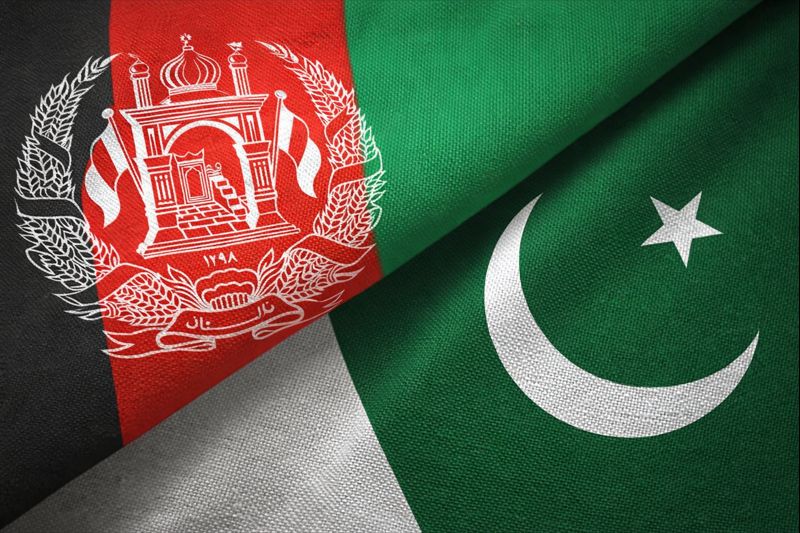
But this was not to be. The Pakistani government in last 3 years has repeatedly expressed “grave concern” and issued demarches to the Afghan Taliban regime, accusing them of providing a “permissive environment” and active support/facilitation to the TTP (also known as FAK) and other anti-Pakistan terrorist groups. Pakistan claims these groups use Afghanistan as a base of operations for cross-border attacks and has conducted airstrikes in response.
The Afghan Taliban government has consistently denied these accusations, stating it is committed to its international obligations not to allow its territory to be used against any other country. They often dismiss reports as propaganda and call for dialogue.
Reports from independent bodies, including the United Nations, support Pakistan’s concerns. A 2024 UN report stated that the TTP is the largest terrorist group operating in Afghanistan and receives growing support from the Afghan Taliban, which has been “unable or unwilling” to manage the threat. The issue of cross-border terrorism has led to a significant deterioration in relations between the two countries.
As Pakistan navigates the ever-changing world order of 2026, besides other challenges, the resurgence of TTP is one of the most serious. Operating primarily from the porous Durand line area, TTP has continued to relentlessly attack, not only the security forces of Pakistan but also civilians and infrastructure.
Resultantly, Pakistan has recorded its deadliest year in over a decade. According to South Asian terrorism portal, Pakistan has suffered over 1700 terrorist incidents and nearly 4000 deaths. The TTP alone has conducted around 600 attacks in Khyber Pakhtunkhwa in 2025, targeting schools, armed forces, police, suicide bombings in Islamabad and Quetta and a host of other violent acts.
The Pakistan Institute for Conflict and Security Studies and other reports highlight a 124% surge in militant fatalities from 2024, which shows the increasing counter terrorism efforts but also highlights the huge threat.
TTP has sanctuaries in Kunar, Nangahar, Khost and Paktia provinces of Afghanistan. They operate unhindered, reportedly under the aegis of the Afghan government. The internal rift between Kandahar and Kabul adds more nuance to the support of TTP. Reports indicate that the Taliban regime provides safe havens, logistics and other support to TTP. UN monitoring teams have estimated that more than 6000 TTP fighters are present in Afghanistan. This directly challenges the Afghan government’s stand that Kabul does not allow its territory for terrorist activities.
The violence resulted in a military confrontation in October 2025. A fragile ceasefire brokered by Turkey and Qatar led to the suspension of hostilities. But dialogue held in Istanbul, Doha and Riyadh collapsed amid mutual accusations.
The sacrifices of the Pakistani nation have come to naught. The doctrine of “Strategic depth” to counter India lays in betrayed. After the 4-day skirmish in May 2025, India has made a determined effort to cement its ties with Afghanistan against Pakistan through significant developmental aid, infrastructure projects, military training, and robust economic engagement. It has sought to reduce Kabul’s reliance on Islamabad, countering Pakistani influence, and fostering a pro-India, stable government to secure strategic access to Central Asia.
Today, Afghanistan is widely considered to be a focal point where the geopolitical interests of regional and global powers are bumping. With a resurgent America and its demand for the Bagram airbase, which the Taliban have resolutely refused, Afghanistan has become a theater for ongoing strategic competition, often referred to as a “New Great Game”. China, Russia and Iran remain deeply involved in a complex web of diplomacy, economic investment, and security concerns.
For Pakistan, the lessons are now written in blood, sacrifice and betrayal. The calculation that shared faith and hosting of Afghan brethren since 1979 would result in strategic goodwill was wrong. An unwilling regime has allowed a resurgent TTP to kill scores of Pakistanis. No nation can tolerate such persistent violence against its citizens while appeals for fulfilling national and international responsibilities are met with denial and duplicity.
Pakistan needs to recalibrate its Afghan policy on the hard realities and not on sentimentalized expectations. Diplomacy should continue but backed by an effective deterrence, international engagement and uncompromising counter terrorism. Pakistan cannot afford to be a passive spectator. The survival of the Country, the safety of its citizens and regional stability, all require a strategic and tactical engagement, backed by national consensus.
History will judge Pakistan not by its intentions but by the choices it makes, today.
The writer has served as Inspector General of Police, Punjab, Islamabad, and National Highway and Motorways Police, and as DDG ANF Pakistan. He is a senior public policy expert with deep insight into conflict resolution and regional affairs. He can be reached at amzkhan.lhr@gmail.com