By Mian Majid Ali
Globalization described the world as a single society. In the present era, the whole world is interconnected. Countries of the world are divided into developed countries, developing countries, underdeveloped countries, and least developed countries based on development levels, conditions of people’s economy, education, governance, international relations, trade, and business. The world order changed after the defeat of the Soviet Union by the United States and USA playing a hegemonic role over the world for many decades. The world’s largest economy based united states was/is playing the role of a police officer over the world. But now, the emerging power China is expressing itself as the second-largest economy. The world order of imperialistic politics is being hijacked by China due to nominal GDP. China’s economy is market-oriented, based on globalization, and a centre of the world economy. The fastest-growing major economic power, China is the 5th largest of world foreign direct investors. China’s economic policies towards foreign countries are imperialistic order which is inter alia to modern colonialism. China also plays a hegemonic role over the South China Sea, which is a part of the Pacific Ocean, having the importance chock point Strait of Malacca and the Strait of Hormuz, which are crucial for energy trade. China’s strategy has been to find a position in the world oil economy by investing in countries considered being rogue states, human security violators, countries in which oil majors and other national oil corporations have not been allowed to invest because of their pariah status. China’s use of its veto in the UN Security Council to protect countries such as Iran from sanctions was another dimension of energy diplomacy related to rogue states.
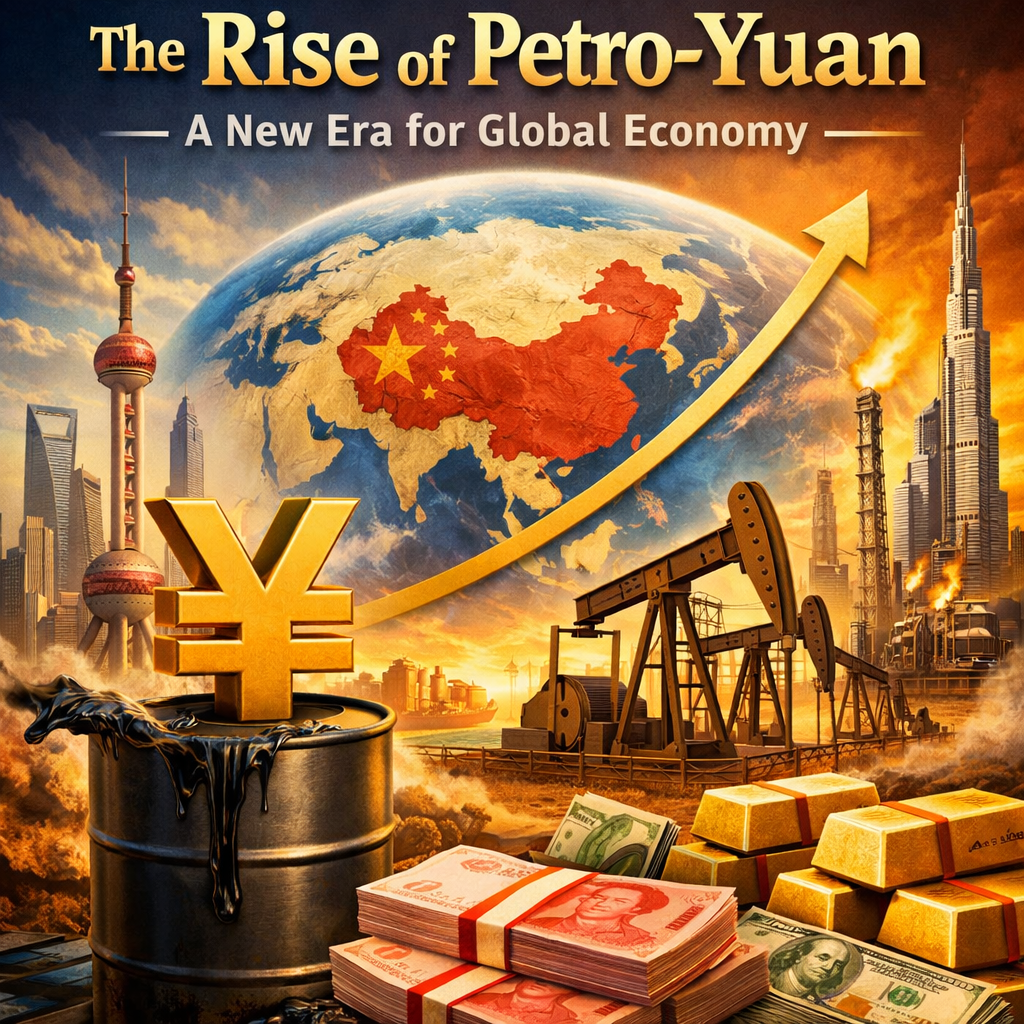
The Chinese oil companies have also pursued an aggressive investment policy in the western hemisphere, particularly Venezuela, Saudi Arabia, and Iran, the holder of the world’s largest proven oil reserves, supplying 17 percent of China’s oil imports. For the time being, Saudi Arabia knows that its long-term security and defense interests lie with the United States, but it might one day make sense for the Saudis to align themselves with a rising power like China. China is now the number one importer of oil and gas from Iran. China is now the biggest investor in Sudan with an estimated cumulative stake of $8 billion. The CNPC is the state shareholder of the largest oil enterprise in Sudan (40%). China’s doctrine of peaceful rise seems to be successful, as China has secured energy and raw materials without confronting the United States and the West. Unseating the petrodollar will not be easy without the intervention of some of the major oil producers, including Russia, Iran, and Saudi Arabia. Saudi Arabia and Russia constitute 26 percent of world oil output and 25 percent of oil exports. Along with Iran and Venezuela, Russia is also on board. Today, China is succeeded in convincing Saudi Arabia to begin accepting the petro-yuan for its crude oil, and other oil-exporting countries will follow suit. Saudi Arabia accepted the petro-yuan for oil exported to China and Asia-Pacific countries while continuing to accept petrodollars for exports to the USA and the European Union. Even such a compromise will continue to tip the balance in favour of the petro-yuan, as 75 per cent of KSA oil exports go to the Asia-Pacific region and China. The launch of the crude oil benchmark for the Shanghai exchange could mark the beginning of the Petrodollar’s end. The effect of the US sanctions on Iran, Russia, and Venezuela will be substantially reduced by the Petro-Yuan. This provides a feasible way to escape the petro-dollar scheme for big oil exporters. Petro-yuan could prove to be a major game-changer for global energy markets, the global economy, and the effectiveness of US sanctions. With the petro-yuan leading global oil exchange, the yuan will definitely emerge as the world’s biggest reserve currency within the next decade.
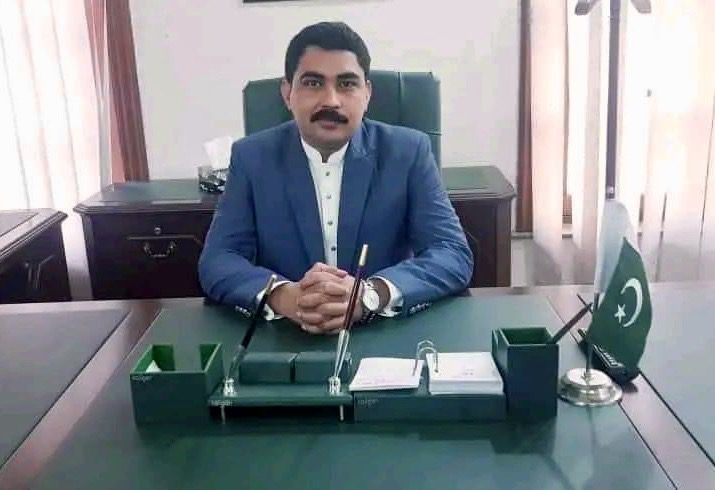
The writer is the author of “The Reforms” and serves as a Strategic and Administrative Adviser on South Asia Affairs for a CPEC-based project in Islamabad. He is also a Strategic Communication Adviser at the Institute of Strategic Communication & Economic Studies (ISCES). He can be reached at mianmajid582@gmail.com