By Brigadier (R) Asif Haroon Raja
Wreckage of Afghanistan
On trumped up charges, Afghanistan was invaded on 7 Oct 2001 and occupied in a month by using extensive air power. It was systematically pillaged and destroyed for two decades by the US- NATO forces, and was made into the biggest narcotic state in the world.
Bagram jail and Guantanamo Bay Prison were filled with Afghans, and the people were subjected to cruelties. The US and British special forces carried out illegal extra judicial killings of innocent men, women and children during night raids in villages, and human parts taken away as war trophies.
It was owing to 40 years of destruction caused by the occupying Soviet forces, followed by the western forces, which has made Afghanistan poverty stricken.
Afghanistan Ostracised
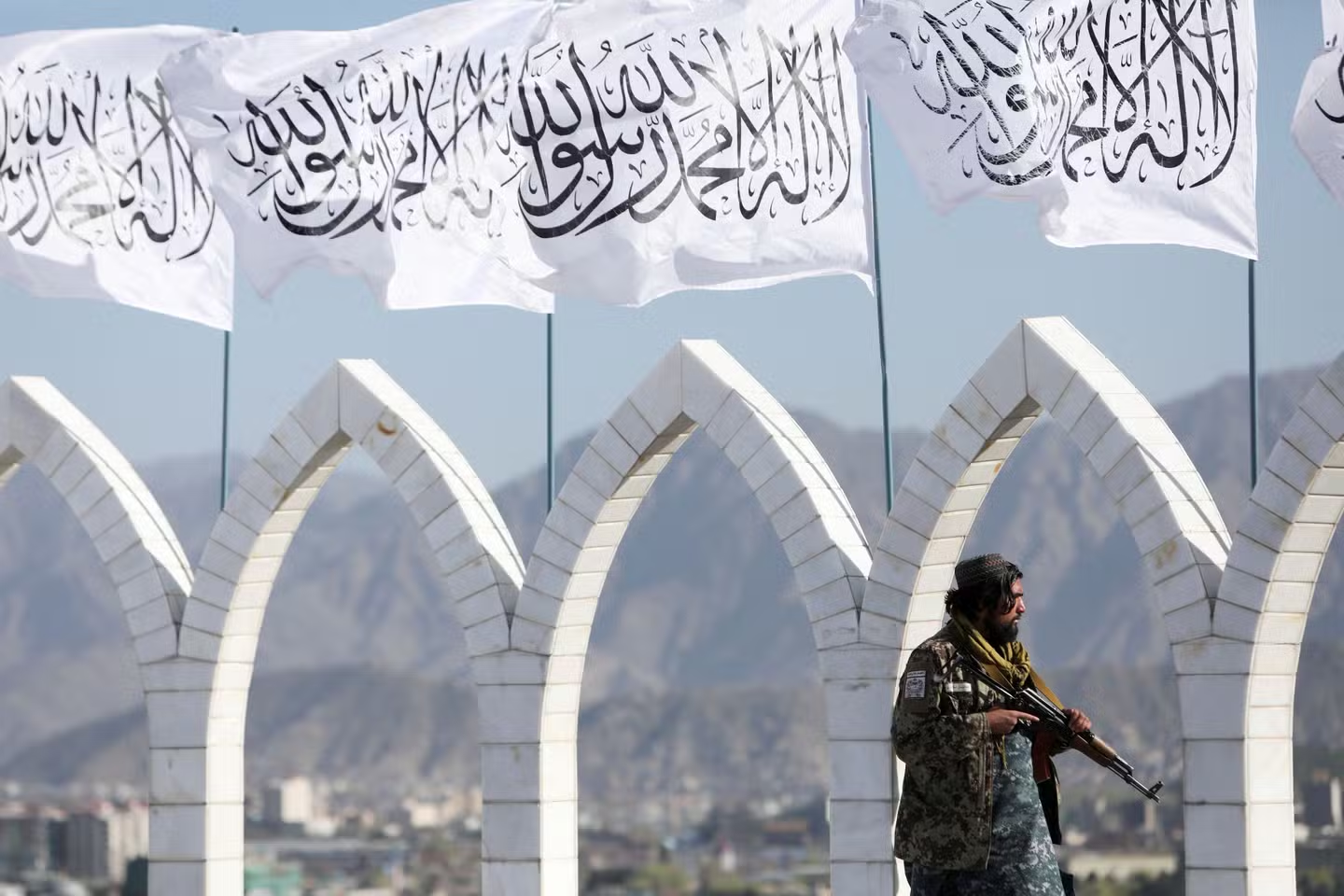
After exiting Afghanistan in Aug 2021, it was ostracised by Washington. The ruling interim regime in Kabul has so far not been recognised by the USA and the international community on grounds that it has failed to form an inclusive Government, and hasn’t given rights to the Afghan girls and women to study and do jobs.
Afghanistan’s 8 billion dollar deposits in western banks have been frozen, which has made the country cash strapped.
Kabul is also vilified for failing to abide by the Doha Agreement, which binds it to disallow Afghan soil for exporting terrorism, and to shelter terrorist groups.
Suspicious Moves of the US
While showing to the world that the US detests extremist policies of the Islamic Emirate of Afghanistan (IEA), it is quietly funding the Afghan regime regularly. It is paying 40 million dollars weekly, and has so far paid well over 21 billion dollars in the last three years. This assistance is the second highest after Israel.
The ISAF left behind 7.2 billion dollars worth of sophisticated arms and equipment in Bagram base, which is in use by the Afghan Army and the terrorist groups based in Afghanistan. It has raised many eyebrows, and it is being queried as to why the equipment was not destroyed if it couldn’t be transported.
Besides India, Israel has also maintained close contacts with the Taliban regime through NGOs, and IsraAid is the biggest Israeli NGO working in Afghanistan. The majority of the inhabitants of Ramana city in Israel are Afghanis.
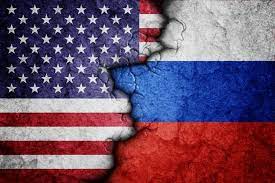
Donald Trump is now creating a drama that he wants IEA to return the weapons, and to handover Bagram airbase to the USA, or else it will be seized forcibly.
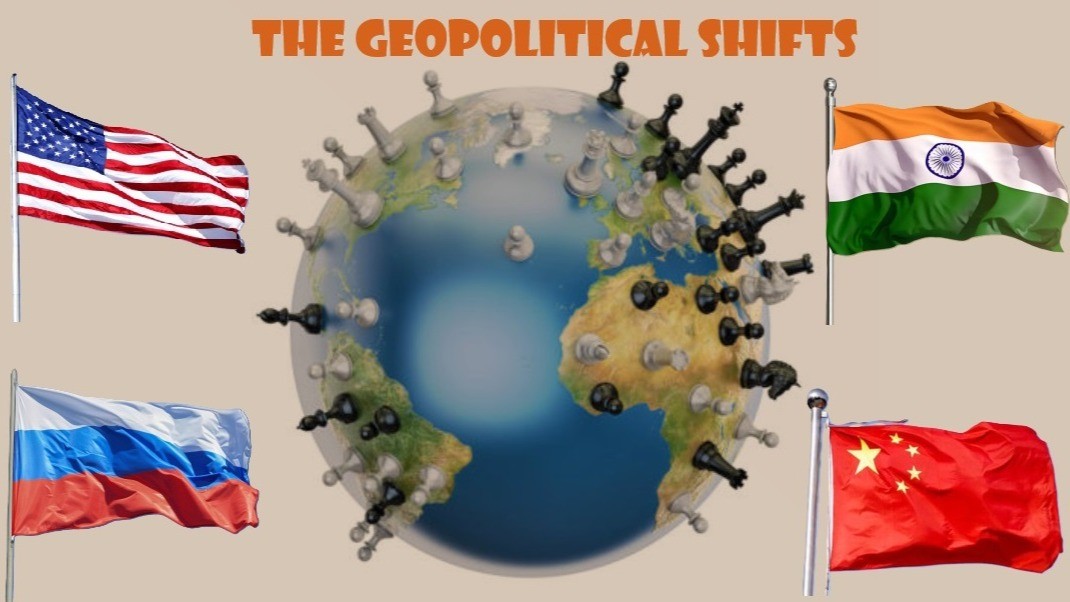
Bagram base has become a prized trophy, which the USA, China, Russia and India, want to grab. Outwardly, the Kabul regime has rejected Trump’s demand, and reportedly has given the Indian Air force access to the Bagram base.
A New Axis of Evil
India and Afghanistan are now strategic partners, and the Haibatullah regime has virtually become a proxy in the hands of India. Both are also strategically aligned with Israel, and the evil of axis has the support of the USA.
Pakistan – Victim of Terrorism
Pakistan is the biggest victim of terrorism sponsored and abetted by India and Afghanistan. From the end of 2021, the scale of terrorism has shot up by 400%.
It is facing almost daily terror attacks in Khyber Pakhtunkhwa (KP) and Baluchistan, and the security forces are suffering casualties.
IEA’s Offensive against Pakistan
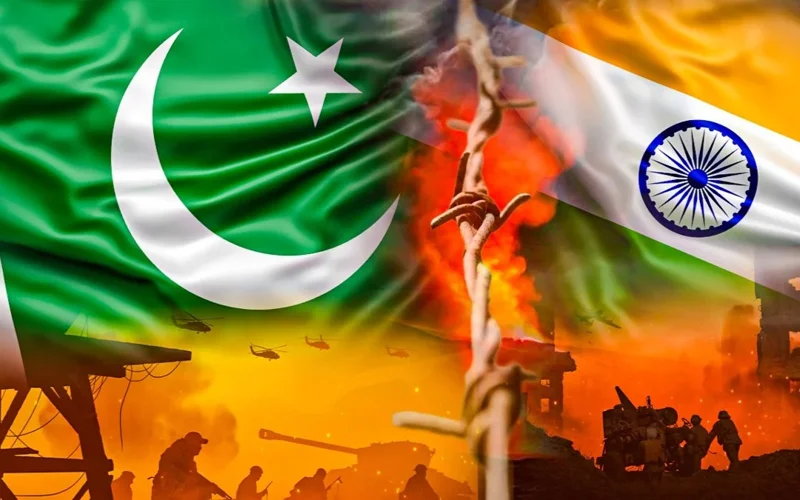
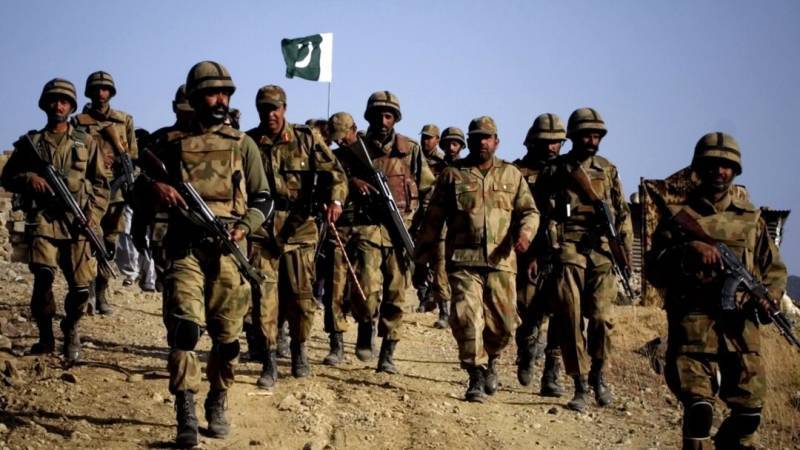
IEA at the behest of India upped the ante by attacking a large number of Pakistani military border posts on Oct 10, and gave covering fire to the infiltrators to infiltrate in big numbers. The bloody clashes continued for a week.
Pakistan’s Response
When Pakistan gave a deadly response by repulsing all the attacks, capturing 30 border posts and destroying launching pads and training camps in Spin Boldak, Qandhar, Kabul and elsewhere, Kabul appealed to Qatar and desperately sought a ceasefire.
Pak forces at that stage of operations were in a good position to destroy all the terrorist sanctuaries and TTP leaders inside Afghanistan.
Ceasefire a Ploy
Ceasefire was a ploy to buy time to regroup, to shift the TTP and BLA leaders to cities in congested areas, procure missiles and drones from India and Israel, and to refurbish old stocks of Soviet equipment and make them operational for use against Pakistan.
Although the ceasefire is still holding, there is no let up in cross border attacks. It included high profile attacks on Wana Cadet College, the judicial complex in Isbd and FC HQ in Peshawar. Afghan nationals were involved in all the attacks.
Return of Afghan Refugees
More than three million Afghan refugees, of which the majority are illegal, have become a big economic burden and a security hazard because of their involvement in crimes and terrorism. Their expatriation has been expedited, and except for KP, which is resisting their return, progress in other provinces is very satisfying.
Border Management
Due to the porous nature of the western border and weak border management, illicit smuggling and drug peddling was rampant, causing a big drain on the economy. The management has been tightened, procedures streamlined and illegal trade and movement has been minimised.
Implications of Sealing of Crossing Points
Pakistan has closed all the crossing points and trade routes. Since 11 Oct, no Afghan vehicle has crossed into Pakistan. Even medicines and healthcare facilities have been denied. Being wholly dependent upon imports and exports upon the trade routes through Pakistan, the food shortages of the landlocked country have touched alarming levels.
Pakistan provides the shortest and cheapest trade routes to Afghanistan, and all other alternatives are expensive, time consuming and cumbersome.
No country will provide the kind of facilities and generosity which Pakistan has been extending for the last 45 years.
Strategic Restraint
Pak security forces are killing the Khawarijs in big numbers by launching hundreds of intelligence based operations in the two conflict zones. Qatar and Turkiye, acting as mediators, are advising Pakistan not to undertake cross border attacks on the sanctuaries and to give peace a chance.
Intransigence of Taliban Regime
Apart from Iran offering its services, China, Russia, neighboring Central Asian States, Turkiye and Saudi Arabia have been counseling the Taliban regime to refrain from abetting cross border terrorism against Pakistan.
IEA has refused to cooperate, it is intransigent and it continues to back TTP and treat Pakistan as a hostile neighbour.
Impotence of international Institutions
The US, the UN and EU have not questioned the Taliban regime as to why in contravention of the Doha Agreement, it is harbouring 24 terrorist groups and indulging in cross border terrorism, which has now spilled over to Tajikistan.
Afghans – a Security Hazard
Afghan migrants living in other countries have become a big security hazard. Iran has deported 15 lacs Afghans and Saudi Arabia has arrested 12000 Afghans with illegal passports and identity cards.
An Afghan national resettled in Washington has been arrested after he killed an American guard and injured another. Immigration policy is further being tightened by the Homeland Security of the USA.
The UN’s Sudden Change of Heart Towards Afghanistan
The UN, which is the puppet of the US has suddenly become sympathetic towards Afghanistan on account of its worsening humanitarian crisis, forgetting that it is responsible for the destruction of Afghanistan.
Instead of checkmating the irresponsible Afghan regime which is behaving like a rogue group, the UN have offered humanitarian aid to Afghanistan to lessen its human suffering. The offer certainly has the approval of Washington.
Pakistan has been asked to facilitate the passage of the UN aid by road from Karachi port to Qandhar and Kabul via Chaman and Torkham border crossing points.
Pakistan has Yielded
Pakistan Govt has ceded to the request without taking into consideration that the aid is for the regime, which in collusion with India, is dispatching suicide bombers to kill Pakistanis daily.
Some apologists in Pakistan are of the view that it could be a window of opportunity to lessen Pak-Afghan tense relations. Pakistan has always kept the doors of negotiation open, and has vied for peace and not confrontation.
Why the Abrupt Softness?
Humanitarian aid by the UN duly approved by the paymaster USA to the needy third world countries have in most cases been supplied with geopolitical or geoeconomic interests , or with strings attached to it, and not otherwise. It is also common practice of imperialist powers to dispatch arms caches hidden under the humanitarian aid.
The question is, why hasn’t the aid been made conditional to stopping the cross border terrorism?
Why this concern is not shown to the people of Gaza, where despite the ceasefire and peace agreement, only one-third of aid is reaching the starving Gazans and are subjected to daily bombardment by the Israelis. Why have the US and Europe made the people of Ukraine scapegoats and sacrificial lambs for the achievement of their geostrategic objectives?
Double Standards of the US
Notwithstanding the US friendly overtures and goodwill gestures towards Pakistan since 11 May, and its apparent dislike for Modi, the US has reinvigorated a ten-year defence deal with India, given six months extension to India to make use of Chahbahar seaport for trade, and is constantly supplying sophisticated arms to India. It is also funding Afghanistan.
The best option for Pakistan to combat external and internal threats to its security is to rely upon China, Russia, Iran and the three Central Asian States bordering Afghanistan (Uzbekistan, Tajikistan and Turkmenistan), since all are affected by Afghan -based terrorism. Reportedly, such a joint mechanism to counter the threat of terrorism has already been chalked out.
Analysis
Why the Stubbornness?
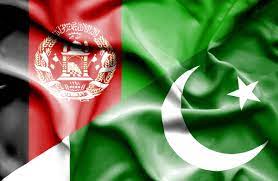
Throughout the two decade war on terror, the US kept insisting and coercing Pakistan to fight the Afghan Taliban, but Pakistan didn’t oblige. Today, that wish has been fulfilled and the two former friends are now sworn enemies.
Could it be a collective effort of the CIA, Mossad and RAW to create bad blood and animosity between Pakistan and the Afghan Taliban regime? Are they encouraging the latter to hold their ground and not to compromise?
The only complaint of Pakistan against the Taliban regime is “not to support cross-border terrorism”. This has been the consistent demand of Pakistan during its parleys with Kabul since 2021.
Assistance of common friends of Pakistan and Afghanistan was sought and they also tried their best , but their efforts went in vain due to inflexibility of the Afghan Taliban.
The big question is, why the de facto regime in Kabul, which has yet not been recognised, and is mired in the host of internal crises, is acting so stubbornly, and not listening to reason, logic , or taking into consideration the Islamic injunctions, and is rejecting the appeals of so many nations, including the ones with which it has very close ties? Who is giving them the strength to withstand multiple pressures?
Pakistan’s Strategic Patience
Pakistan exercised immense restraint in the face of extreme provocations. Its restraint was taken as a sign of weakness and Pakistan suffered grievous human and material losses due to its self-defeating policy of one-sided appeasement.
Pakistan’s Hard Response
When Afghanistan crossed all limits, Pakistan lost patience and struck back hard. It has announced its new policy that not only the attacking Khawarijs will be eliminated, the sponsors and abettors in Afghanistan will also be severely dealt with.
To maximise pressure on the irreconcilable Taliban regime, Pakistan sealed transit trade routes.
The implications are that 90% of Afghan trade goes through Pakistan. Closure of trade routes has added to the woes of Afghanistan, already going through the worst food and monetary crises.
Bypassing Pakistan and opting for other avenues will be highly expensive, time consuming and cumbersome.
Closure of trade routes gives Pakistan counter-leverages to put landlocked Afghanistan on the backfoot.
Compassion at the Wrong Time
Under the given highly charged up environment, it is quite surprising to see the UN offering humanitarian assistance to the Afghans. This sudden change is similar to the one the world saw after the four-day Indo-Pakistan war last May. Modi, the darling of the US-led West fell from grace and was subjected to scorn and ridicule, while Pakistan which was a bad boy was lavishly praised and eulogised.
Is the US fancy for Pakistan and compassion of the UN for the Taliban regime real or pretended? How could it be real, after witnessing the track record of the axis of evil , which hates the Muslims, and see them as the biggest threat to their ideologies?
Unaccomplished Goals
The Indo- US- Israel nexus was formed in 1992, which was Pakistan specific and poised to denuclearize Pakistan and make it a compliant state. During the war on terror, Afghanistan under Hamid Karzai was added as a strategic partner.
The Axis couldn’t achieve their strategic objectives against Pakistan during the 20-year war. The objectives haven’t been given up, and fresh efforts are being made to accomplish the unaccomplished goals.
A New Axis
After the exit of the western forces from Afghanistan in Aug 2021, the ruling IEA regime under Haibatullah Akhundzada, strategically aligned itself with India as well as with Israel, and a new axis of evil propped up to destabilise Pakistan through another round of proxy war.
The American Motives
Possible geopolitical motives behind Washington’s sudden emotional tilt towards Pakistan and dual track policy in Afghanistan in my view could be part of a broader New Great Game in Eurasia. It is strategic repositioning, and not a humanitarian concern. Humanitarianism is illusionary.
The USA has invested huge amounts of money, weaponry and technology in India from 1993 onwards, and has also drawn huge benefits from the biggest economic market and IT industry of India.
It cannot afford to lose India, and opt for Pakistan, which is strategically aligned with China. The Indo-US-Israel nexus strengthens US imperialism in the Middle East and South Asia. Instability in Afghanistan suits the Axis.
The US cannot afford to lose Afghanistan and Central Asia, and leave these lucrative regions for China and Russia to gain control. It strives to reinsert itself into Afghanistan’s geopolitics after losing military control with the help of India.
Why does the US need Afghanistan?
The possible reasons are:
Fear of rising China–Russia influence in Central Asia.
Desire to control Bagram as a strategic ISR hub.
Using Afghanistan to counter the China- Pakistan Corridor (CPEC), which rolls back the American imperialist global ambitions.
The need to monitor Iran and Central Asian energy routes.
India’s Growing Influence in Afghanistan
India is once again strengthening its influence and clout in Afghanistan. It is providing heavy funds, both to the Taliban regime and the terrorist groups. It has undertaken all the leftover development projects including dams on rivers for completion. It is training the Afghan Army and Air force, refurbishing and operationalizing obsolete Soviet defence armament, transferring Israeli missile and drone technology, and deploying intelligence and technical teams.
Facilitation by the USA
The US is surreptitiously facilitating the Indo-Israel overt and covert ingress into Afghanistan through diplomatic shielding, CIA is secretly in contact with ANSF elements and could be involved in internal power struggle.
Threat of Terrorism
Afghanistan has been recognised as a hub of terrorism. Pakistan, China, Russia , the three Central Asian States neighboring Afghanistan and Iran are directly affected. The spillover is impacting the whole world including the USA.
Recommendations & Suggestions
There is an urgent need for a regional security block to counter the threat of terrorism.
Turkiye, Saudi Arabia and Qatar, supposedly close to the Taliban regime, can act as stabilising actors and should be taken in the loop.
No resumption of trade until TTP sanctuaries are dismantled and TTP and BLA are reined in.
Although the US has offered its services for joint counterterrorism with Pakistan against Afghanistan, this offer should be examined carefully and holistically.
Regional counter-terrorism coalition with China–Russia–Iran- Uzbekistan -Tajikistan Turkmenistan will be the best way out.
If the humanitarian aid is allowed through Pakistan, each container must be thoroughly checked at the Karachi port. Scrutiny of every humanitarian consignment should be done through joint inspection teams.
No acceptance of US “joint CT operations” without clear red lines.
Resolve of the civil and military leaders to make Pakistan a hard state must be taken to a logical end through a well-articulated and planned reform and development agenda.
SIFC and CPEC coupled with good governance are the three pillars that can make Pakistan economically self-reliant.
Pakistan should take advantage of the favourable geopolitical environment, including the friendly gestures of the USA to draw maximum economic benefits, but must never compromise on its core national and security interests.
It is a healthy sign that China has stated that it has no objection to cozying relations between the US and China as long as its core interests are not hurt.
The writer is a retired Brig, war veteran, defence, security and political analyst, columnist, author of five books, ex-chairman TFP, Patron-in-chief CDS Think Tank, Director Meesakh Research Centre, Chief Election Commissioner Tehreek Jawanan e Pakistan, takes part in TV talk shows regularly.