By Brigadier (R) Asif Haroon Raja
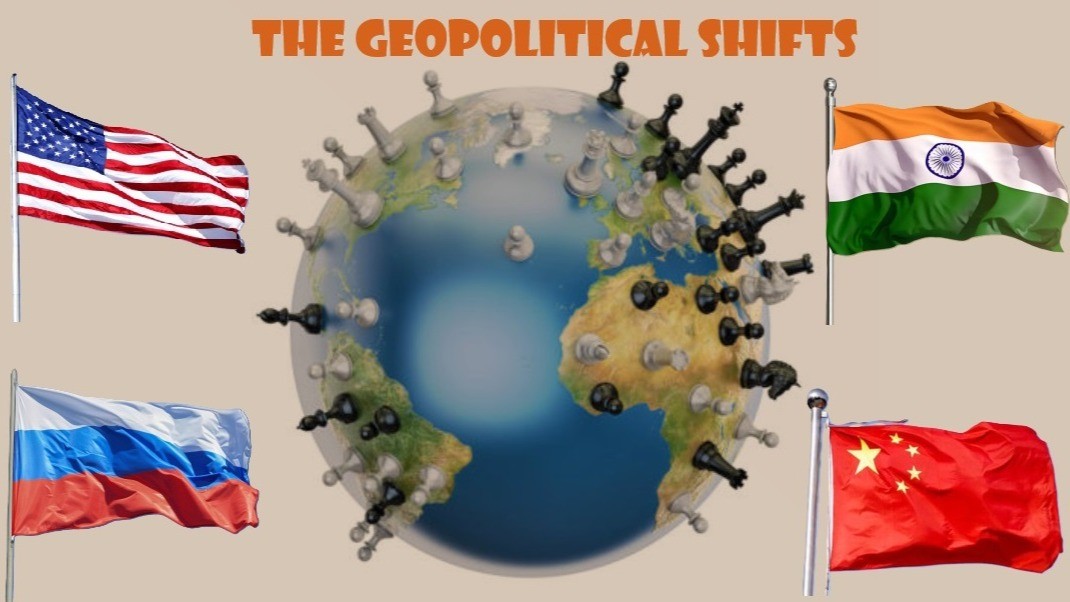
The global geopolitical landscape is undergoing earthshaking transformations. With numerous flashpoints across the world, eight nuclear-armed states sitting atop massive arsenals, and the unpredictability of Donald Trump’s return to power, the world appears to be hurtling toward a major conflict. The rhetoric surrounding nuclear weapons has grown increasingly casual, with world leaders openly hinting at their potential use. Trump is even contemplating another nuclear test despite international bans. He boasted, “The US has so many nuclear weapons that it could destroy the entire world 150 times over”.
A pressing question arises: Is Trump apprehensive about the possible formation of a nuclear alliance comprising Russia, China, North Korea, and Pakistan? This speculation gained traction after the heads of these four nuclear powers attended the grand military parade in Beijing—an event that showcased China’s growing military and technological might.
The parade sent a clear message to Washington: China is no longer merely an economic powerhouse capable of challenging the dollar’s supremacy—it now possesses advanced military and technological capabilities and has adopted an assertive foreign policy posture, shifting from a defensive stance to one of ‘offensive defence’ with zero tolerance for any infringement of its red lines.
In this evolving environment, Trump’s ambition to “make America great again” faces formidable constraints. The United States cannot afford to let Iran—an ally of Russia and China—acquire nuclear capability, as a nuclear Iran would derail Israel’s dream of a “Greater Israel.”
Washington is therefore mulling over a possible air strike on Iran’s nuclear facilities, particularly after Tehran’s announcement to resume uranium enrichment with renewed vigour.
In the wake of the renewed Israel-USA threat, Iran has announced its readiness to be part of the Pakistan-Saudi defence pact. Riyadh will have no objections since it would neutralise the threat from the Hezbollah in Lebanon and the Houthis in Yemen.
Given Pakistan’s deep strategic alignment with China, Washington is unwilling to lose India, which has been its de facto strategic partner since the 1990s. The renewal of the ten-year Indo-U.S. defence pact and signing of Indo-Israel defence pact on 4 November underscores America’s priorities and confirms that the ‘Indo-U.S.-Israel nexus’, forged in 1992, will continue to shape the regional security architecture for years to come. Pakistan, therefore, finds little space in this ‘anti-Muslim’ strategic bloc.
India and Iran are defence and strategic partners and India has been importing oil and gas from Iran despite the US sanctions. It remains to be seen whether the Indo-Iranian strategic partnership continues to exist following the exposure of the RAW–Mossad espionage network in Chahbahar. A ten-year Indo- Iran agreement signed last year giving the operational and control of the Chahbahar port for upgradation is still functional. The US has given a six month extension to India for its imports from Iran.
Despite Trump’s warm overtures, Pakistan’s partnership with the U.S. will remain tactical and transactional, unless Islamabad agrees to roll back its nuclear programme, abandon Kashmir, distance itself from China, terminate CPEC, and accept Indian hegemony—conditions that are neither realistic nor acceptable.
Trump’s self-styled image as a peacemaker is merely a façade to achieve by deception what cannot be achieved through force. His duplicity is being laid bare, much like his so-called peace plan in Gaza that Israel violates daily.
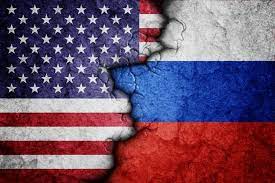
Since the U.S. and NATO are incapable of confronting Russia or China directly, and cannot risk war with nuclear North Korea or Pakistan, Washington’s strategy now relies on ‘indirect means’—disinformation campaigns, regime-change operations, proxy wars, containment, sanctions, and economic coercion. Yet, these bullying tactics have yielded little success.
What is increasingly troubling for the U.S., Israel, and India is their growing global isolation and loss of moral standing. NATO has lost its aura as the world’s policeman; Israel is despised even in Europe and America, and Netanyahu is widely condemned as a war criminal. The myth of Israel’s invincibility has been shattered by Iran’s resistance. Likewise, the BJP’s machismo and India’s prestige suffered a humiliating blow in its last war with Pakistan.
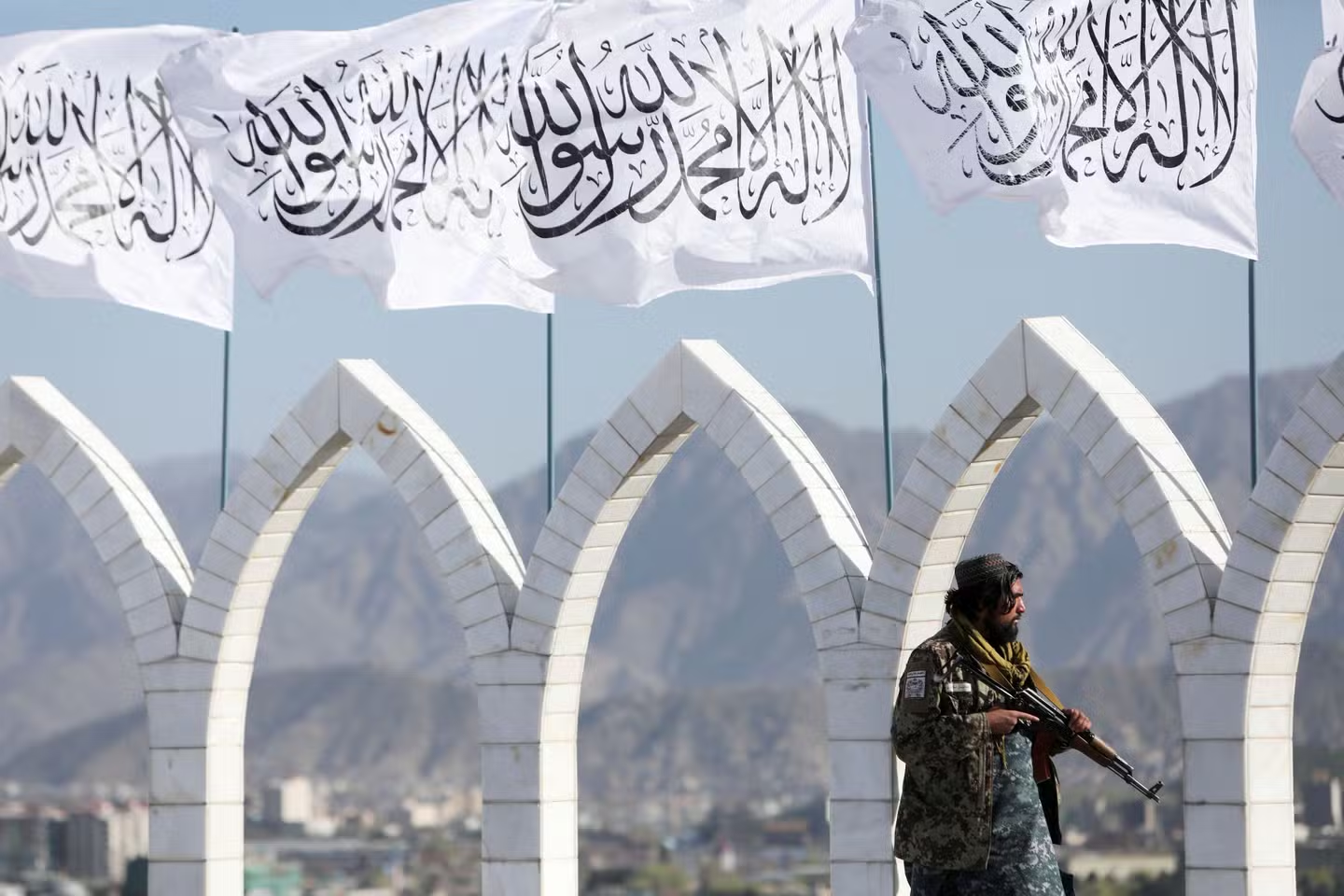
Feeling isolated, India has been compelled to court the ultra-extremist Taliban regime in Kabul. Both have upgraded their diplomatic missions by opening embassies. India intends to open eight consulates in Afghanistan.
In the wake of the closure of India’s air base in Tajikistan, Kabul has given the Indian air force access to the Bagram air base, which it has denied to the USA. The Indian military is training the Afghan Army and the air force, providing missiles and drones, and also refurbishing Russian tanks, helicopters and other equipment left behind by Russia in Afghanistan. American military equipment has also been put to use. The revival of the ‘Indo-Afghan strategic partnership’ poses fresh complications for Pakistan’s security calculus.
Indian media and BJP-driven jingoism will likely peak until the Bihar election results are announced on November 12. The Indian military is also conducting a tri-service exercise codenamed Trishul along the Gujarat coast up to Sir Creek from 6-12 November. Meanwhile, Trump, Netanyahu, and Modi—each besieged by domestic crises—are struggling to retain power amid growing volatility and unrest.
In stark contrast, China continues to expand its influence peacefully through cooperative policies and the Belt and Road Initiative (BRI), maintaining global credibility as a non-aggressor. Russia, too, has gained the upper hand in Ukraine and is now negotiating from a position of strength.
The ‘Russia–China–North Korea strategic alignment’ now equals, if not outweighs, the combined power of the ‘U.S.–Western–Israeli–Indian bloc’.
Amid these shifting dynamics, Pakistan finds itself on an elevated pedestal. It is ideally placed to confront multiple challenges with confidence, enjoying cordial relations with China, Russia, the U.S., the Arab world, Europe, Iran, and the Central Asian Republics.
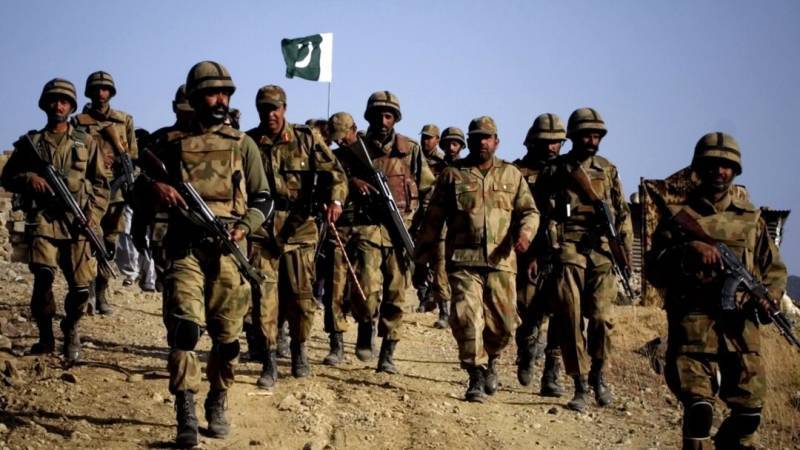
Pakistan’s firm response against the Fitna Al Khawarij and the hostile regime in Kabul has deflated the arrogance of the Islamic Empire of Afghanistan. Yet, Afghanistan remains untrustworthy due to its long history of deceit and ingratitude.
The civil and military leadership in Pakistan must now act in harmony to fully exploit emerging opportunities, strengthen the economy, and undertake essential internal reforms to secure Pakistan’s rightful place in the evolving world order.
The writer is a retired Brig, war veteran, defence security and political analyst, columnist, author of five books, ex-chairman TFP, Patron-in-chief CDS Think Tank, Director Meesakh Research Centre, Chief Election Commissioner Tehreek-e-Jawanan Pakistan, takes part in TV talk shows daily.